
Hey there, digital marketers and business owners! Ever feel like the world of SEO is constantly shifting beneath your feet? One day a strategy is king, the next it’s old news. But amidst all the changes, some foundational principles endure, and today, we’re diving deep into one that continues to offer significant value: Web 2.0 backlinks.
If you’re running a WordPress site like mine, you know the importance of a robust backlink profile. It’s not just about quantity; it’s about quality, relevance, and diversity. And that’s where a smart Web 2.0 strategy comes into play.
What Exactly Are Web 2.0 Backlinks?
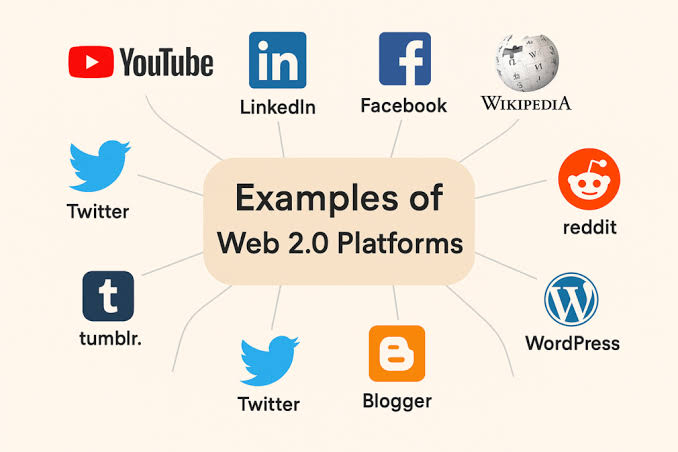
Think of Web 2.0 Backlinks platforms as the internet’s original social and interactive spaces. These are websites where users can create their own content, profiles, or even mini-blogs. Platforms like Blogger, WordPress.com (the free version), Tumblr, and Medium are classic examples. When you create content on these platforms and link back to your main website, you’re building a Web 2.0 backlink.
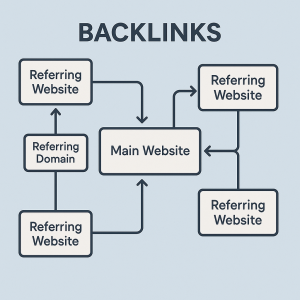
In essence, you’re leveraging the authority of these established platforms to create a valuable referral point back to your own site. It’s like getting a shout-out from a well-respected community leader – it adds credibility and directs traffic your way.
Why Are They Still Relevant for SEO in 2026?
Some might argue that Web 2.0 backlinks are a relic of the past, but that couldn’t be further from the truth. While the approach has evolved, their core benefits remain strong:
1.Domain Authority Boost: Many Web 2.0 platforms boast incredibly high domain authority (DA).
2.Diversified Backlinks: Web 2.0 Backlinks add a crucial layer of diversity, making your profile look more organic and less manipulative to search engine algorithms.
3.Contextual Relevance: When done correctly, Web 2.0 links are embedded within relevant, high-quality content. This contextual relevance is key.
4.Traffic Generation: Beyond SEO, these platforms can drive direct referral traffic to your site. If your Web 2.0 content is engaging and provides value, readers will naturally click through to learn more.
5.Brand Mentions and Exposure: Even if a Web 2.0 link is no-follow, it still provides brand exposure and mentions, which contribute to overall brand recognition and can indirectly influence SEO.
How to Build High-Quality Web 2.0 Backlinks in 2026
It’s not enough to just create a profile and drop a link. To truly benefit from Web 2.0 backlinks, you need a strategic approach:
1.Choose Reputable Platforms: Focus on platforms with high domain authority and a strong community. Think Blogger, Medium, Tumblr, Weebly, WordPress.com, and even some niche-specific forums or content platforms. (A quick search for “high DA Web 2.0 sites 2026” can give you a great starting list!)
2.Create Unique, Valuable Content: This is paramount. Don’t just spin existing articles. Write fresh, engaging content that provides value to the readers of that specific Web 2.0 platform. This could be a summary of a longer blog post on your main site, a related article, or a unique perspective on a topic.
3.Optimize Your Content: Just like your main website, optimize your Web 2.0 content with relevant keywords, proper headings, and engaging visuals. This increases its visibility on the platform itself and its chances of ranking in search results.
4.Contextual Linking: Place your backlinks naturally within the content where they make sense and add value. Avoid keyword-stuffed anchor text. Instead, use natural phrases that encourage clicks.
5.Diversify Your Anchor Text: Use a variety of anchor texts – branded, naked URL, generic, and partial match – to maintain a natural backlink profile.
6.Build a Mini-Authority: Don’t just create one post and leave it. Consistently add valuable content to your Web 2.0 properties. This builds their authority and makes the backlinks even more potent.
7.Interlink Your Web 2.0 Properties: Where appropriate, you can even interlink your various Web 2.0 properties to create a small network of authority that points back to your main site.
Ready to Boost Your SEO?
If you’re looking to enhance your backlink profile and drive more organic traffic to your website, consider integrating a smart Web 2.0 strategy. It’s a proven method that continues to deliver tangible results even in 2026.