
Today, we’re diving into a topic that often sparks debate: Directory Submission. Is it a relic of the past, or does it still hold a secret power for your website’s visibility in 2026? Let’s find out together!
If you’re running a website like Mashrafi Alam’s, focused on SEO and digital marketing, you know the importance of gaining every little edge. Let’s explore how directory submission fits into the modern SEO landscape.
What Exactly is Directory Submission?
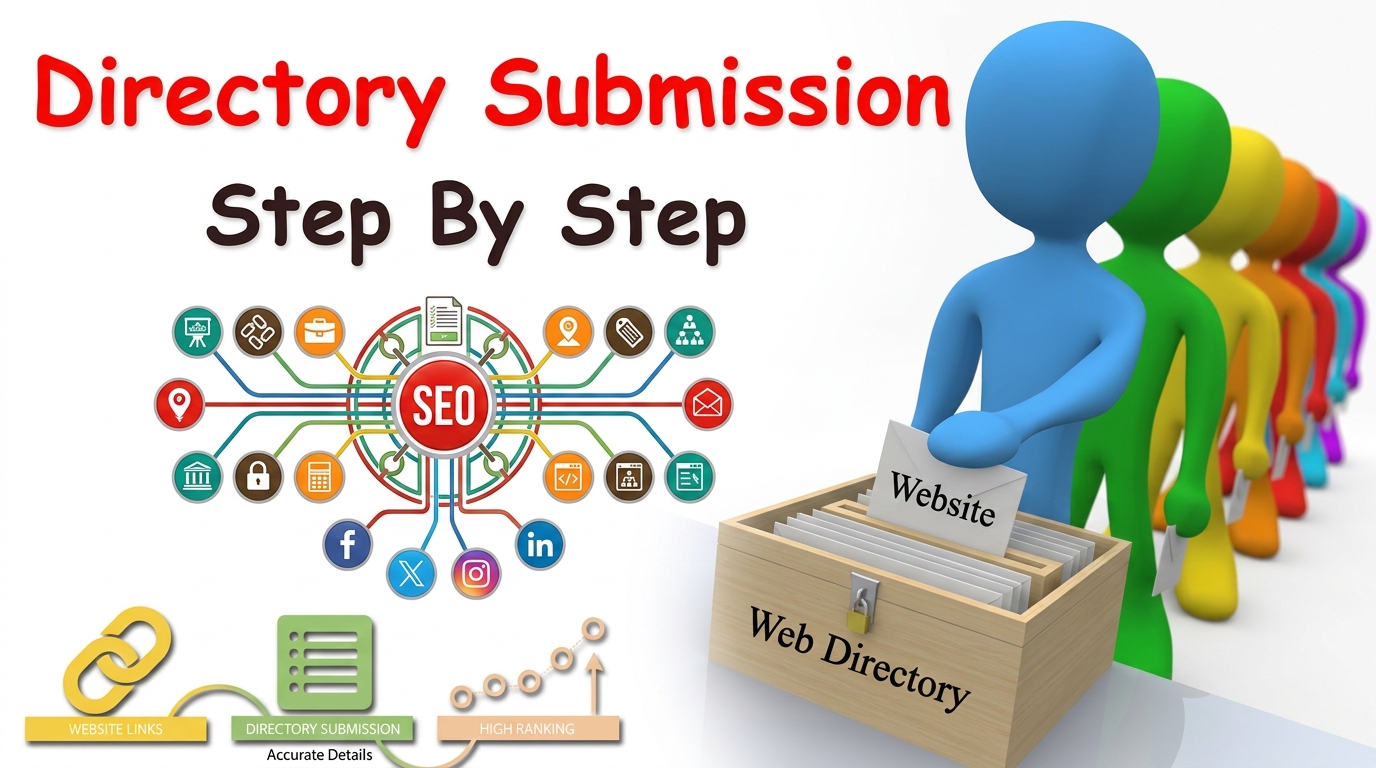
Think of online directories as the internet’s organized address books. Back in the day, they were like the Yellow Pages, but for websites. You would submit your website’s details—its URL, a brief description, contact info, and category—to these directories. Once approved, your site would get a listing, often with a backlink to your site.
While search engines like Google automatically crawl the web, directories are typically human-curated or moderated lists. This means a real person often reviews your Directory submission, adding a layer of quality control that automated systems sometimes miss.
Why Does It Still Matter in 2026? The Unsung Benefits
Despite some misconceptions, directory submissions—when done strategically—still offer several valuable benefits for your SEO strategy today:
1. Local SEO Boost & Citation Building
For businesses targeting local audiences, directory submissions are not just helpful; they are often a requirement for strong local rankings. Consistent NAP (Name, Address, Phone Number) data across various directories like Google Business Profile, Yelp, and Apple Maps strengthens Google’s understanding of your business’s legitimacy and location. This consistency is a critical factor in how well you rank in local search results and map packs. Think of it as building a solid foundation for your local online presence.
2. Enhanced Brand Visibility and Trust
Being listed across reputable directories builds brand recognition and trust. When users see your business consistently mentioned on various platforms, it creates a subconscious association with trustworthiness. Niche-specific directories, in particular, can drive highly targeted referral traffic from users who are already looking for services like yours. For example, if Mashrafi Alam’s services were listed in a directory specifically for SEO consultants, it would reach an audience actively seeking his exact expertise.
3. Faster Indexing for New Websites
For brand-new websites, getting discovered and indexed by search engines can sometimes take time. Reputable directories are frequently crawled by search engine bots. Listing your site in these directories can help Googlebot discover your URLs much faster, giving your new content an indexation boost.
4. Link Profile Diversification
A healthy backlink profile is diverse, meaning it includes links from various sources. Directory links, when acquired from high-quality and relevant sources, contribute to this diversity alongside editorial links, guest posts, and social profiles. This creates a more natural-looking link distribution, which Google prefers.
The Nuance: Quality Over Quantity
Now, here’s the crucial part: not all directories are created equal. The days of submitting to hundreds of low-quality, spammy directories are long gone and can actually harm your SEO. Google’s algorithms are smart, and they penalize manipulative link-building practices.
The key is to focus strictly on quality over quantity.
How to Approach Directory Submission: Best Practices
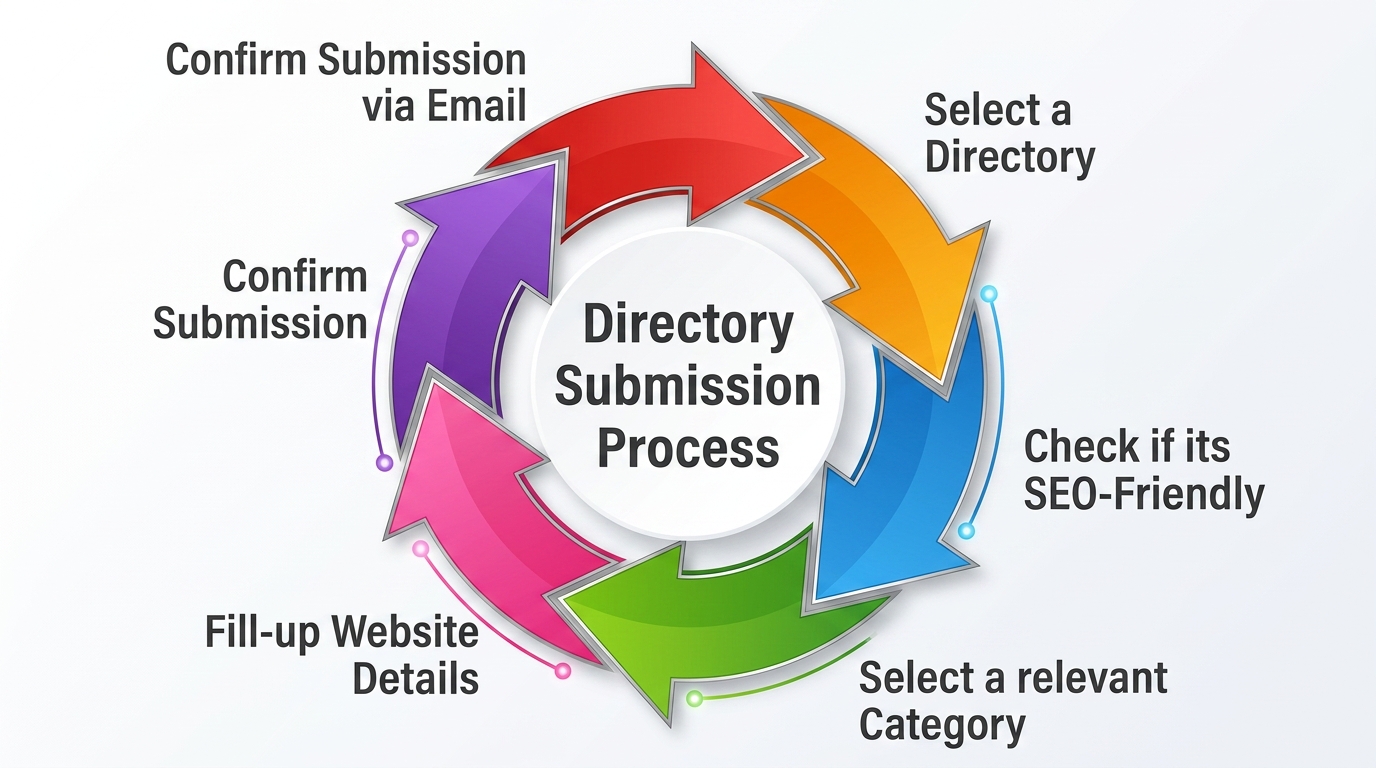
To make directory submission work for you, follow these modern best practices:
1. Research and Select Reputable Directories
Before submitting, evaluate directories based on these criteria:
|
Criteria
|
Description
|
|
Domain Authority (DA) / Domain Rating (DR)
|
Aim for directories with a DA of 40+ (using tools like Moz or Ahrefs).
|
|
Spam Score
|
Keep this below 5%. High spam scores are a major red flag.
|
|
Manual Review Process
|
Directories that manually review submissions tend to maintain higher quality. Instant auto-approval is often a sign of a low-quality directory.
|
|
Active Traffic
|
Check if the directory receives real organic traffic. A directory nobody visits adds little value.
|
|
Topical or Geographic Relevance
|
The closer the directory is to your niche or location, the more valuable the backlink.
|
|
Link Status (Do-follow vs No-follow)
|
While no-follow links still offer value (referral traffic, brand visibility), do-follow links pass direct link equity.
|
Start with well-known, high-authority directories like Google Business Profile, Yelp, Bing Places, and Apple Maps. Then, look for niche-specific directories relevant to your industry. For Mashrafi Alam, this would include directories for digital marketing agencies or SEO specialists.
2. Ensure Absolute NAP Consistency
This cannot be stressed enough for local SEO. Your business’s Name, Address, and Phone Number must be identical across all your online listings. Even minor discrepancies (like writing “St.” in one and “Street” in another) can confuse search engines and weaken your local ranking signals.
3. Craft an Optimized, Human-Sounding Description
Your directory description is an opportunity to communicate your value proposition and naturally include relevant keywords. Avoid keyword stuffing; instead, write a concise, engaging description (typically 100–250 words) that attracts clicks and accurately represents your business.
4. Choose the Right Category
Always select the most specific and accurate category for your business. Listing a digital marketing agency under “Technology & Computing” sends confusing signals to search engines. Be precise!
5. Manual Submission is Key
While automated tools exist, manual submission to your top-priority directories is highly recommended. It gives you full control over NAP data consistency, description language, keyword placement, and category selection. This meticulous approach ensures quality and avoids the potential pitfalls of automated spam tools.
Common Mistakes to Avoid
Even with the best intentions, some common missteps can undermine your directory submission efforts:
•Inconsistent NAP Data: As mentioned, even slight variations can hurt your local SEO.
•Submitting to Low-Quality/Spammy Directories: These can harm your backlink profile and trigger search engine penalties.
•Choosing the Wrong Category: Misclassifying your business sends confusing signals to crawlers.
•Ignoring Description Quality: A generic or keyword-stuffed description wastes a valuable opportunity.
•Never Updating Listings: Outdated information becomes a liability. Regularly audit and update your major listings.
Directory Submission as Part of a Broader SEO Strategy
Directory submission isn’t a standalone magic bullet; it’s a single piece of a larger, well-rounded off-page SEO strategy. It works best when integrated with other tactics like content marketing, social media engagement, and organic link building. It contributes to a natural and diverse backlink profile, which is what search engines truly value.